Understanding the Symptom Management in Lymphedema Therapy
Adjuvant Physical Therapy LLC. • February 18, 2026
Lymphedema, a chronic condition characterized by swelling and discomfort, often requires a thoughtful approach to management. At Adjuvant Physical Therapy in Independence, Missouri, we focus on providing comprehensive, personalized care to help alleviate symptoms and improve the quality of life for those affected. But what exactly does lymphedema therapy involve, and how can you effectively manage its symptoms?
What Is Lymphedema?
Lymphedema occurs when the lymphatic system is damaged or blocked, leading to fluid build-up and subsequent swelling. This condition commonly affects limbs but can also impact other parts of the body. Left unchecked, lymphedema can lead to severe discomfort and complications. Addressing this condition with the right therapeutic interventions can make a significant difference.
Personalized Treatment Plans
Every individual's experience with lymphedema is unique, which is why personalized treatment plans are crucial. At Adjuvant Physical Therapy, our skilled therapists assess each patient's specific needs to design a customized plan that may include:
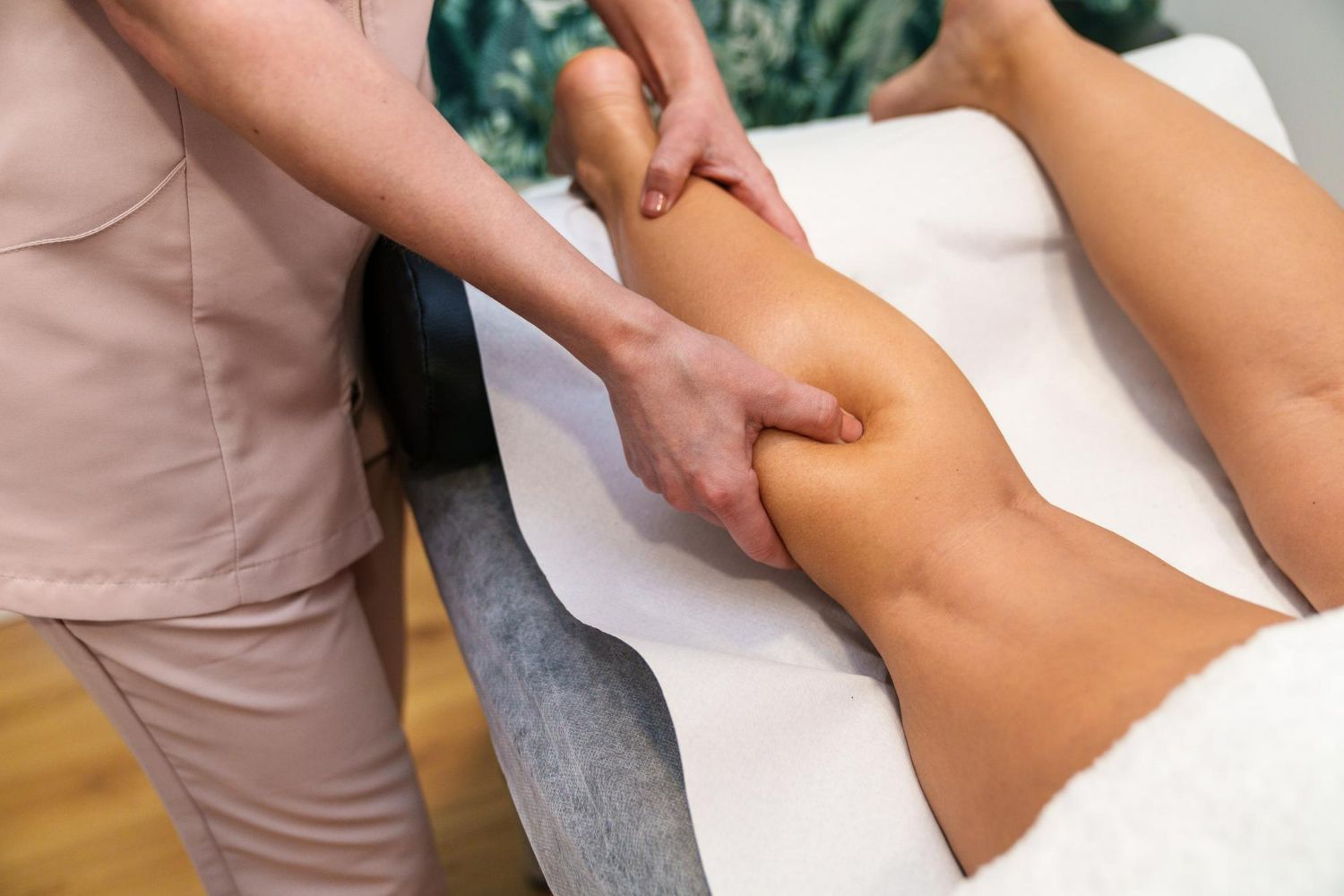
- Manual Lymphatic Drainage (MLD): This gentle massage technique stimulates lymphatic flow and helps reduce swelling.
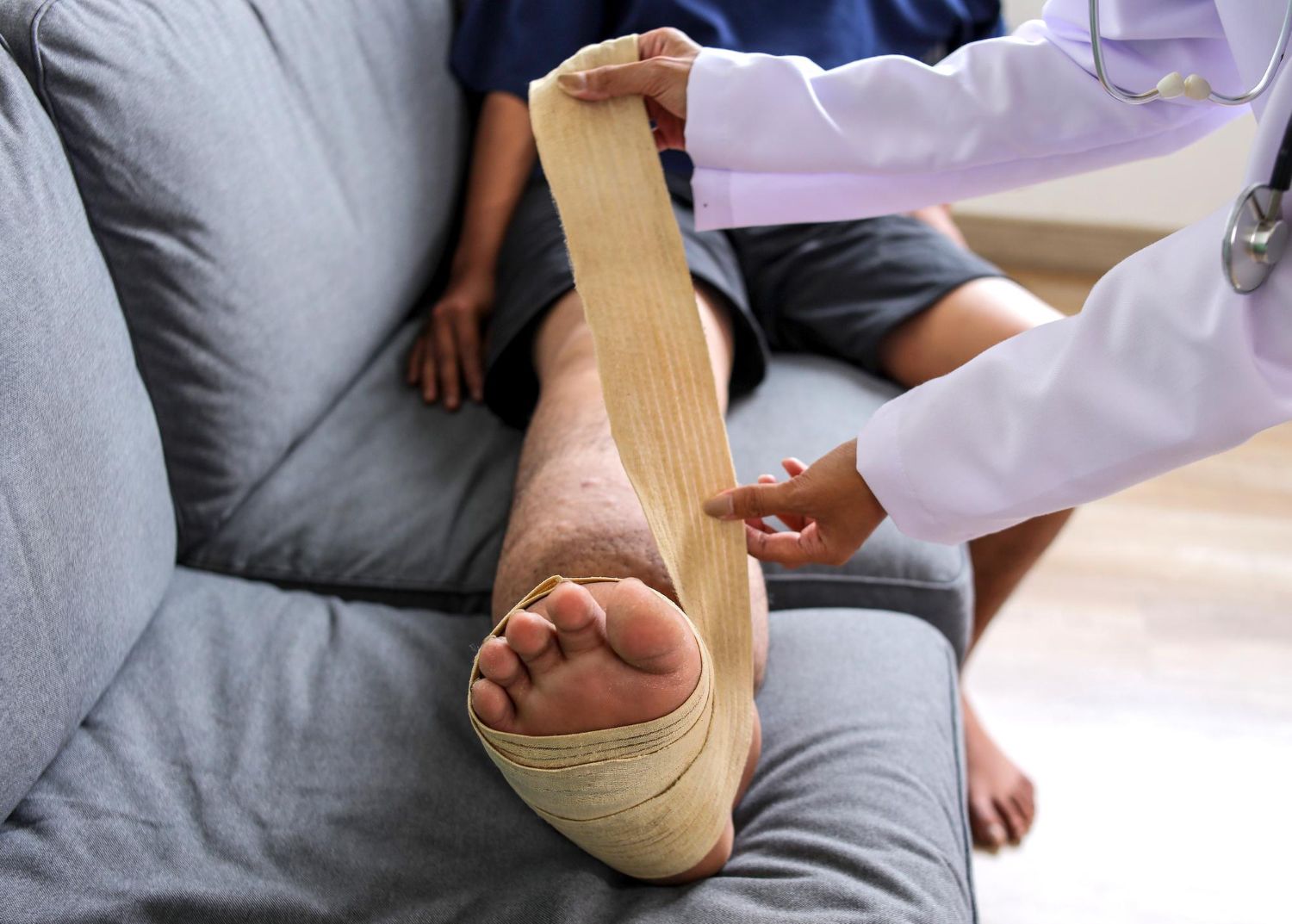
- Compression Therapy: Specialized garments apply consistent pressure, promoting lymph movement.
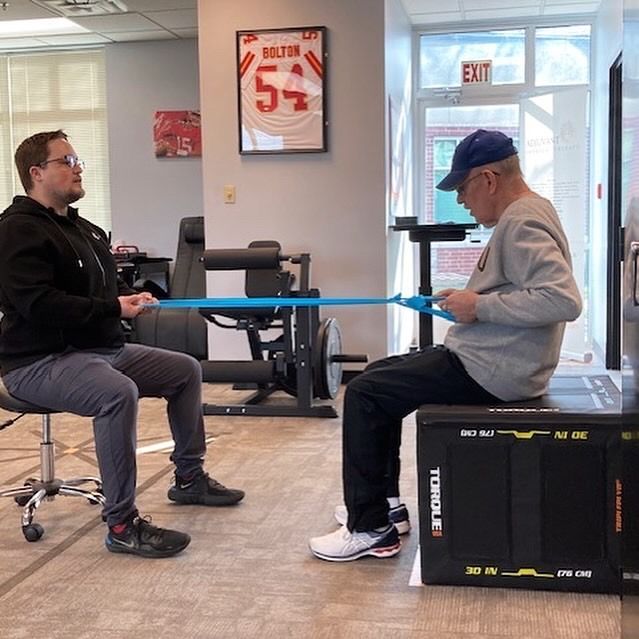
- Exercise Regimens: Regular physical activities tailored to the patient's capabilities enhance mobility and encourage fluid movement.
The Role of Education in Therapy
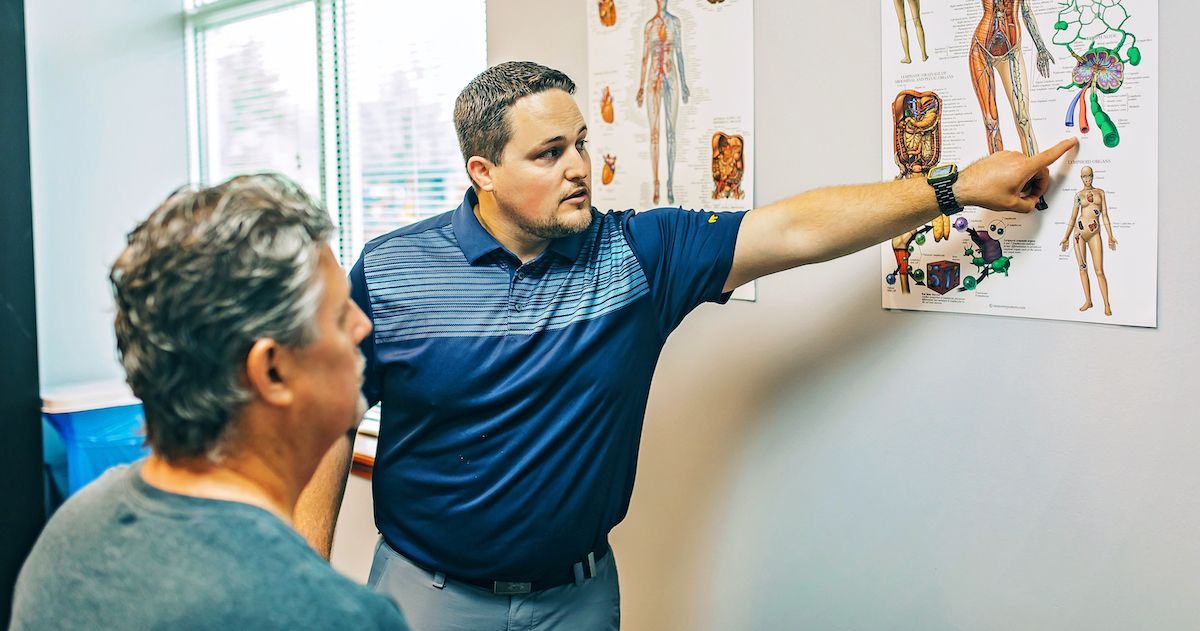
Empowering patients with knowledge is key to effective lymphedema management. Understanding how the condition works and learning self-care techniques can lead to more proactive involvement in one's own health. Our therapists educate patients on:
- Proper care of the affected areas
- Safe exercises that complement therapy
- Importance of regular medical check-ups
Can lymphedema be completely cured?
While there is no definitive cure, symptoms can be managed effectively with consistent care. By engaging in regular therapy sessions and adhering to the prescribed treatment plan, individuals can significantly reduce symptoms and improve their quality of life.
Why Choose Adjuvant Physical Therapy?
Choosing the right partner for your lymphedema management journey is crucial. Here's why Adjuvant stands out:
- Expert Team: Our experienced therapists specialize in lymphedema care, employing evidence-based practices for effective symptom management.
- Community Focused: We understand the local context and incorporate suitable activities and resources for well-rounded care.
- Comprehensive Support: Beyond physical therapy, we offer continual support and education to help patients manage symptoms effectively outside of sessions.
Optimizing Your Therapy Experience
To get the most out of lymphedema therapy, consider these practical tips:
- Consistency Is Key: Attend regular therapy sessions and perform prescribed exercises diligently.
- Stay Informed: Keep up with the latest research and therapies recommended by your therapist.
- Lifestyle Adjustments: Ensure a balanced diet and maintain a healthy weight to support your therapy efforts.
Achieving Symptom Relief
Managing lymphedema requires dedication and personalized care. Adjuvant Physical Therapy is committed to walking this path with you, offering expert guidance and tailored treatment. By focusing on thorough education, individualized care plans, and leveraging local insights and opportunities, we ensure that you have the right tools and support to manage your symptoms effectively.
Interested in learning more about how our lymphedema therapy services can help you? Contact us at Adjuvant Physical Therapy today to schedule a consultation and discover a supportive community dedicated to your well-being.
Share This Blog