How Families Can Support Parkinson’s Therapy During Winter in Independence, MO
Adjuvant Physical Therapy LLC • November 18, 2026
Supporting a family member with a progressive neurological condition requires strategic planning and emotional patience. Adjuvant Physical Therapy works closely with families in Independence, MO to establish effective movement routines before the busy winter season begins. The holiday period introduces unpredictable schedules and crowded environments that challenge a patient's motor control and confidence. Preparing the body and the home environment reduces stress and keeps your loved one participating safely in family gatherings.
Many families wonder how to best assist their relatives without overstepping or causing frustration. Physical therapy offers a structured pathway to improve daily function and maintain independence. Knowing exactly what to expect from a clinical program helps families align their support at home. We are outlining the preparation steps necessary to maximize the benefits of neurological rehabilitation.
Topics covered in this discussion:
- Understanding therapy goals: Setting realistic expectations for mobility
- The role of big movements: Counteracting neurological decline
- Family involvement: How to support exercise routines effectively
- Frequently Asked Questions
Understanding Therapy Goals
Families exploring care options often ask how does physical therapy help Parkinson's patients. Parkinson's disease naturally causes movements to become smaller slower and more rigid over time. Physical therapy directly combats these symptoms by forcing the nervous system to recalibrate its perception of normal movement. The clinical goal is not just to build muscle strength but to rewire the brain to produce larger more deliberate actions.
Before committing to a therapy schedule families should understand that consistency is the most critical factor. Neurological changes require intensive repetitive practice. We sit down with patients and their families to set clear functional goals whether that means getting out of a low chair safely or walking across a snowy driveway without shuffling.
The Role Of Big Movements
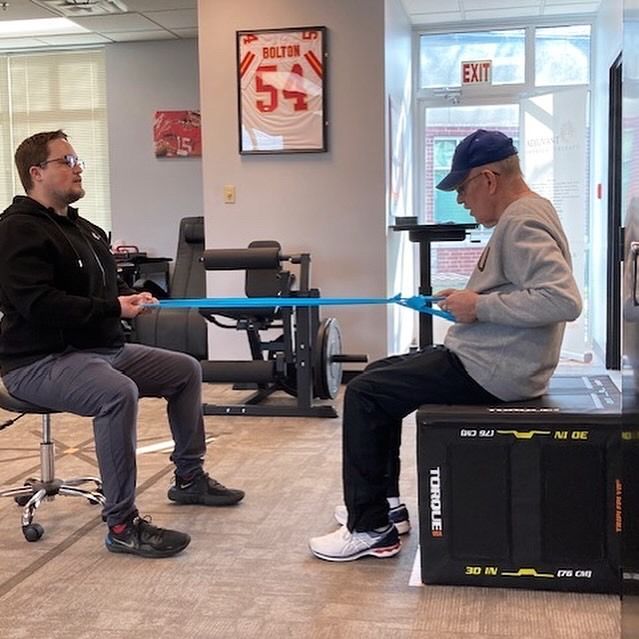
We utilize highly researched protocols designed specifically for neurological conditions. These intensive exercise regimens focus on making movements intentionally large and vocalizations intentionally loud. Because Parkinson's disease tricks the brain into thinking small shuffling steps are normal patients must practice exaggerated movements to achieve a standard walking stride.
Our therapists in Independence, MO guide patients through these rigorous sessions safely. We push the physical and cognitive limits to spark neuroplasticity. The exercises translate directly to daily life helping patients button shirts reach for high shelves and maintain their balance when navigating tight hallways during family events.
Family Involvement
The success of Parkinson's disease therapy relies heavily on what happens outside the clinic walls. Families play a vital role in reinforcing the techniques learned during therapy. We educate spouses and adult children on how to safely cue their loved ones to take larger steps or stand up straight without sounding critical.
We also assist families in evaluating their homes for winter safety. Removing loose throw rugs ensuring adequate lighting in hallways and installing grab bars in bathrooms are essential prep steps. A safe home environment allows patients to practice their new movement strategies with total confidence.
Frequently Asked Questions
Is it safe to start an intensive exercise program in the winter?
Yes exercising indoors in a controlled clinical environment is perfectly safe and helps prevent the physical decline that often accompanies cold weather isolation.
Can physical therapy replace my Parkinson's medication?
Therapy does not replace medication but the two work together to maximize your mobility and keep your symptoms managed effectively.
Building A Supportive Environment
A structured therapy program provides the tools necessary to fight back against neurological decline. When families understand the clinical goals they can provide the exact support their loved ones need to succeed. Call our clinic today to discuss building a personalized therapy plan.
Share This Blog