Setting Realistic Mobility Goals In Parkinson's Disease Therapy
Adjuvant Physical Therapy LLC. • September 2, 2026
Navigating the physical changes associated with a progressive neurological condition requires a grounded and strategic approach. At Adjuvant Physical Therapy, we see many individuals who feel frustrated when their daily movements become slower or more rigid. Establishing a clear clinical baseline helps you understand exactly how your body responds to targeted interventions. This proactive mindset protects your independence while keeping your expectations aligned with your unique biology.
Committing to a structured Parkinson's Disease Therapy program involves understanding the true nature of neuroplasticity and motor learning. True success is not about forcing your body to move exactly as it did ten years ago. It focuses on retraining your nervous system to execute daily tasks safely and efficiently. By mapping out a highly personalized strategy, you secure the functional mobility required to enjoy life in Independence, MO and the surrounding areas.
In This Article:
- What Actually Affects Your Motor Control Results
- The Danger Of Overestimating Instant Progress
- What are realistic goals for physical therapy in Parkinson's disease?
- Building Your Long Term Movement Strategy
What Actually Affects Your Motor Control Results
The progression of your physical capabilities relies heavily on consistent repetition and medication timing. Your brain requires thousands of correct movement patterns to establish new neural pathways. Skipping daily exercises or attending clinical sessions during a medication off-cycle drastically limits your functional gains. We constantly remind our patients that clinical hours must be paired with diligent home practice.
Therapeutic success depends on challenging your nervous system to adapt to larger and more deliberate movements. This process demands a high level of cognitive focus during every repetition. When you perform exercises passively, your brain fails to register the new motor patterns. Active participation creates the biological signaling required for true physical adaptation.
→ From a professional standpoint: The most successful patients view their daily mobility exercises as a medical prescription rather than an optional workout.
The Danger Of Overestimating Instant Progress
A common hurdle we encounter is the expectation that a few weeks of intervention will erase all rigidity and tremors. Neurological recovery is an ongoing management process rather than a quick fix. Patients who expect immediate reversal often become discouraged and abandon their routines prematurely. Acknowledging that symptom management ebbs and flows prevents this frustration.
Working with specialized programs requires immense physical effort and patience. The volume of the movements feels unnatural at first. You might feel exhausted before you feel coordinated. Trusting the clinical process allows your body the necessary time to adapt to these larger movement patterns.
→ A quick tip to remember: Measure your success by your ability to complete daily functional tasks safely rather than focusing solely on tremor reduction.
Adapting to these continuous care requirements is much easier when you have dedicated and individualized support. It is a pattern the team at Adjuvant Physical Therapy hears regularly.
►Client Experience: Joan Bergstrom shared “More personal attention than other PT Rehab centers. Extremely knowledgeable and patient centered. Best experience I've ever had- and I've had quite a few. Highly recommend!”
Joan Bergstrom discovered that having a patient-centered professional by your side makes the challenging phases of neurological rehabilitation far more manageable.
What are realistic goals for physical therapy in Parkinson's disease?
Setting achievable benchmarks anchors your recovery plan in reality. Realistic goals include reducing your fall risk during transitions, improving your walking stride length, and maintaining the stamina to visit local spots safely. We focus on enhancing your capacity to perform activities of daily living independently.
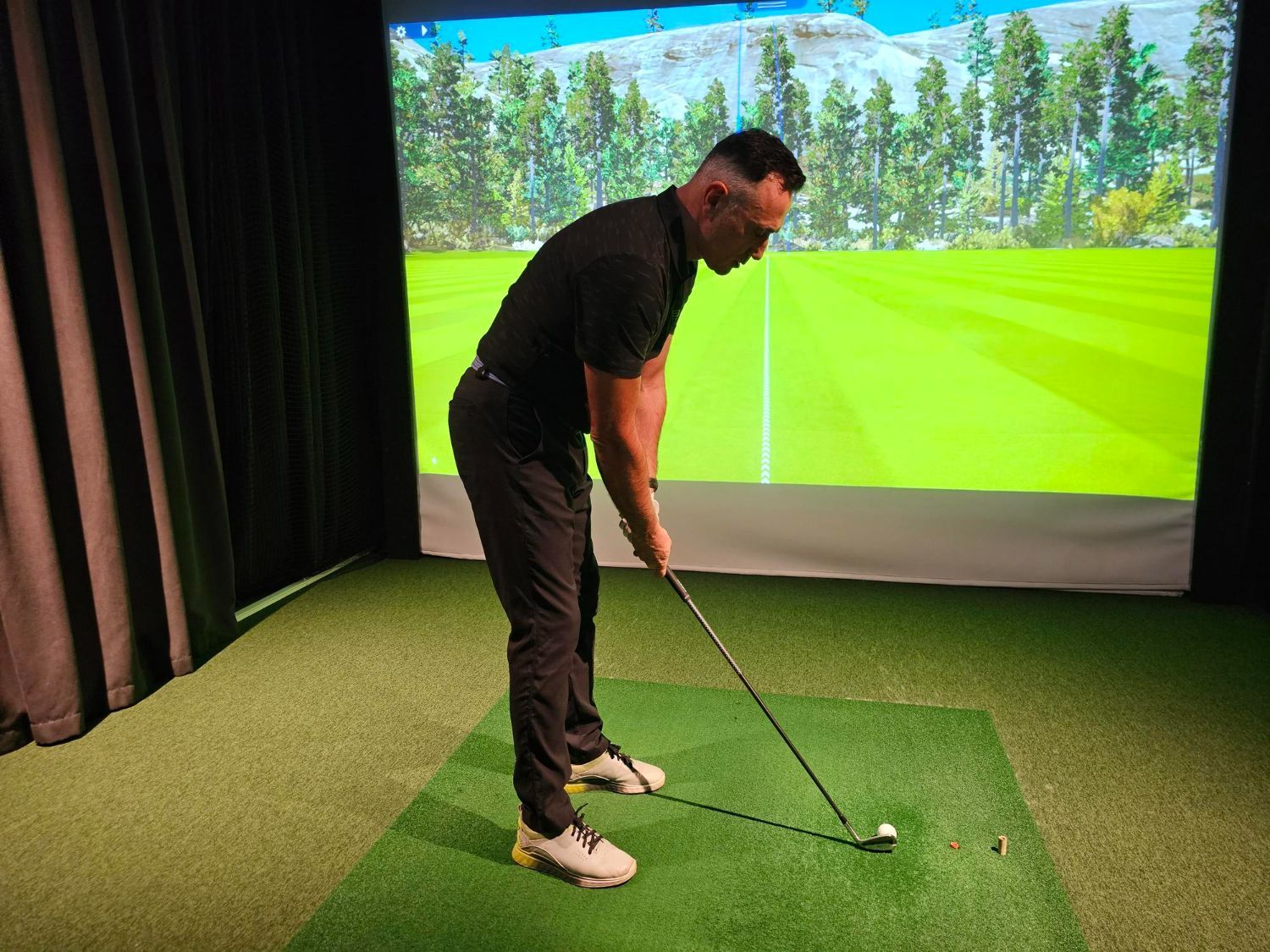
We also integrate related services like golf simulator and swing analysis for our active patients who want to maintain their hobbies. Adapting your recreational movements serves as a highly engaging form of functional therapy. Finding ways to continue participating in the sports you love provides a massive psychological boost during your recovery. Your goals should reflect the exact activities that bring you joy and purpose, proving that a diagnosis does not dictate the end of your active lifestyle.
Building Your Long Term Movement Strategy
Securing your long term physical independence demands a realistic and dedicated approach to your daily movement habits. Recognizing that true progress is measured in consistent functional victories keeps you motivated through the challenging phases of your care. Reach out to our clinical team today to establish your baseline and build a strategy that truly supports your life.
Share This Blog