7 Breathing Techniques For Chronic Obstructive Pulmonary Disease Relief
Adjuvant Physical Therapy LLC. • September 8, 2026
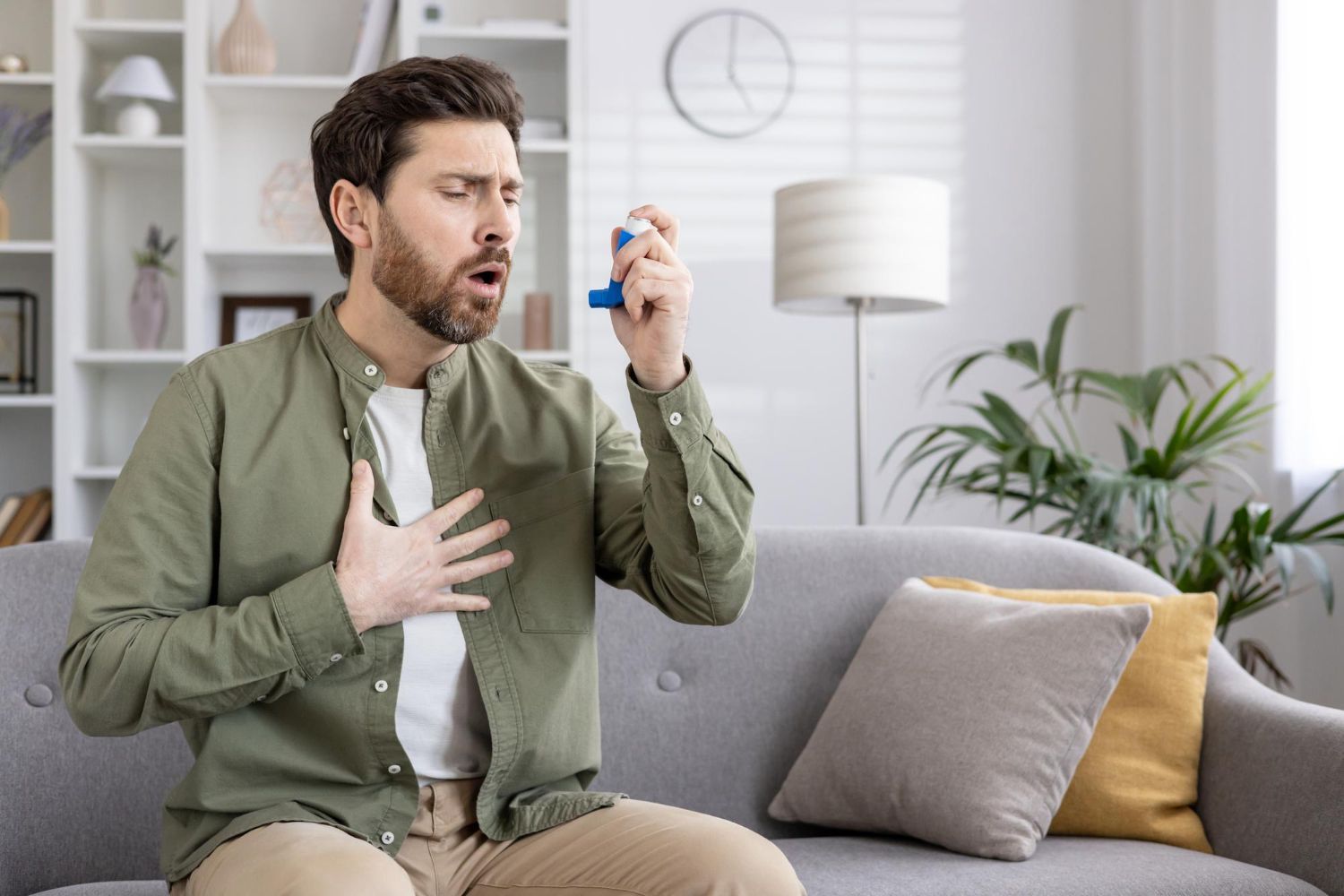
Living with restricted airflow changes how you approach every physical activity throughout your day. For those managing Chronic Obstructive Pulmonary Disease (COPD), these challenges can feel even more overwhelming as the condition often causes persistent breathlessness and fatigue. At Adjuvant Physical Therapy, we understand the anxiety that accompanies a sudden loss of breath during simple tasks. Securing your respiratory function requires more than just relying on daily inhalers. You must actively train your respiratory muscles to process oxygen with maximum efficiency.
Mastering targeted breathing methods provides immediate relief when you feel your chest tightening. These clinical strategies help you regain control over your autonomic nervous system and prevent panic. By incorporating these seven techniques into your daily routine, you can navigate your life in Independence, MO with renewed confidence. We also utilize similar breathing strategies during our post-operative rehabilitation sessions to ensure proper tissue oxygenation.
In This Article:
- Tip #1: Pursed Lip Breathing Basics
- Tip #2: Diaphragmatic Muscle Activation
- Tip #3: Paced Breathing During Exertion
- Tip #4: The Huff Cough Maneuver
- Tip #5: Coordinated Breathing With Movement
- Tip #6: Forward Leaning Postures
- Tip #7: Deep Breathing For Relaxation
- Frequently Asked Questions
Tip #1: Pursed Lip Breathing Basics
Mastering this fundamental technique allows you to release trapped air from your lungs. It slows down your breathing rate and keeps your airways open longer.
- Practice Daily: Inhale through your nose for two seconds.
- Exhale Slowly: Breathe out gently through puckered lips for four seconds.
- Repeat Consistently: Use this method whenever you feel short of breath.
Tip #2: Diaphragmatic Muscle Activation
Many patients rely too heavily on their neck and chest muscles to breathe. Engaging your diaphragm pulls air deep into the lower lobes of your lungs for better oxygen exchange.
- Hand Placement: Rest one hand on your chest and the other on your belly.
- Belly Breathing: Focus on making your belly rise against your hand as you inhale.
- Chest Control: Ensure the hand on your chest remains as still as possible.
Learning and consistently applying these new mechanics requires ongoing education and encouragement from your physical therapist. This is something clients notice firsthand.
►Client Experience: bonnie guilfoyle shared “I highly recommend Adjuvant Physical Therapy for anyone needing PT for recurring pain or recovery from surgery. My experience with Chase Miller was excellent. He is caring, experienced, and drives for measurable results. He provides the one on one experience that I was looking for and is dedicated to educating clients during therapy - key in motivating continued practice of stretching and exercise to maintain results.”
bonnie guilfoyle highlights how proper clinical education empowers you to maintain your functional exercises long after your session ends.
Tip #3: Paced Breathing During Exertion
Navigating stairs or walking through Independence, MO requires a strategy to prevent oxygen depletion. Syncing your breath with your steps prevents sudden breathlessness.
- Inhale On Pause: Take a deep breath before starting a physically demanding movement.
- Exhale On Effort: Breathe out through pursed lips during the hardest part of the activity.
- Maintain Rhythm: Keep your breathing rate steady regardless of your walking speed.
Tip #4: The Huff Cough Maneuver
Standard coughing often causes airways to collapse and traps mucus further down in the lungs. A clinical huff cough uses the mechanics of forced expiration to clear secretions safely.
- Deep Inhalation: Draw in a slow breath to fill the lungs completely.
- Open Glottis: Keep the back of your throat open like you are fogging up a mirror.
- Forced Exhale: Push the air out rapidly while making a huff sound from your core.
Tip #5: Coordinated Breathing With Movement
Respiratory mechanics are directly tied to your physical posture and thoracic mobility. Expanding your ribcage during inhalation maximizes the volume of air you can process.
- Arm Elevation: Raise your arms overhead slowly while taking a deep breath in.
- Controlled Lowering: Bring your arms down as you exhale to compress the chest cavity.
- Posture Alignment: Keep your spine straight to avoid compressing your diaphragm.
Tip #6: Forward Leaning Postures
Changing your physical position can quickly relieve severe shortness of breath. Leaning forward takes the pressure off your primary respiratory muscles.
- Table Support: Sit in a chair and lean your torso forward onto a table.
- Arm Bracing: Rest your forearms on your knees while sitting to anchor your shoulder girdle.
- Standing Relief: Lean against a wall or counter when standing to stabilize your upper body.
Tip #7: Deep Breathing For Relaxation
Living with restricted airflow often triggers significant anxiety and muscle tension. Implementing relaxation techniques lowers your heart rate and reduces your oxygen demand.
- Quiet Environment: Find a peaceful room away from daily distractions.
- Muscle Relaxation: Consciously release tension in your neck and shoulder muscles.
- Mindful Focus: Concentrate entirely on the rhythmic sound and feeling of your breath.
Frequently Asked Questions
How does exercise improve chronic obstructive pulmonary disease symptoms?
Supervised physical activity strengthens your cardiovascular system, allowing your heart and lungs to process oxygen more efficiently. While exercise does not reverse lung damage, it significantly reduces the effort required to perform daily tasks. Regular movement also prevents the severe muscle wasting that often accompanies chronic respiratory conditions.
Can breathing techniques prevent a respiratory exacerbation?
Consistent use of targeted breathing methods keeps your airways clear of trapped mucus and stale air. This proactive airway clearance directly reduces your risk of developing secondary lung infections. While they cannot stop all flare-ups, these techniques drastically lessen the severity of the symptoms.
Why do I feel more out of breath after eating a large meal?
A full stomach places direct physical pressure on your diaphragm, restricting its ability to move downward during inhalation. This anatomical crowding forces you to take shallow chest breaths. Eating smaller, frequent meals throughout the day provides the necessary nutrition without compromising your lung expansion.
Securing Your Respiratory Health
Mastering your breathing mechanics offers a powerful defense against unpredictable respiratory symptoms. By practicing these techniques daily, you build the physical resilience needed to enjoy your routine activities comfortably. Contact our respiratory specialists today to develop a customized therapy plan that addresses your specific lung function.
Share This Blog