How Long Does Lymphedema Volume Reduction Take? Prevention & Treatment Timelines
Adjuvant Physical Therapy LLC. • October 20, 2026
Achieving a reduction in limb volume is a significant milestone, but keeping that fluid off requires dedicated daily management. At Adjuvant Physical Therapy, we emphasize that decongestive therapy is only the first phase of your journey. Many patients in Independence, MO feel anxious about managing their condition once their intensive clinical sessions end. Implementing a strict home maintenance protocol is the only way to preserve the improvements you have worked so hard to achieve.
The reality of Lymphedema Prevention And Treatment is that it requires lifelong commitment to lymphatic health. Your lymphatic collectors need continuous mechanical support to prevent fluid from pooling in the tissues again. This guide provides the exact clinical strategies you need to protect your skin integrity and maintain your reduced limb size. Following these steps ensures your affected limb remains soft, mobile, and comfortable.
What We Cover:
- Immediate Aftercare Following Decongestive Sessions
- Daily Maintenance Habits For Lymphatic Flow
- Common Mistakes That Undo Volume Reduction Results
- How long does lymphedema volume reduction take to maintain?
- Signs You Need Professional Reassessment
- Sustaining Your Fluid Management
Immediate Aftercare Following Decongestive Sessions
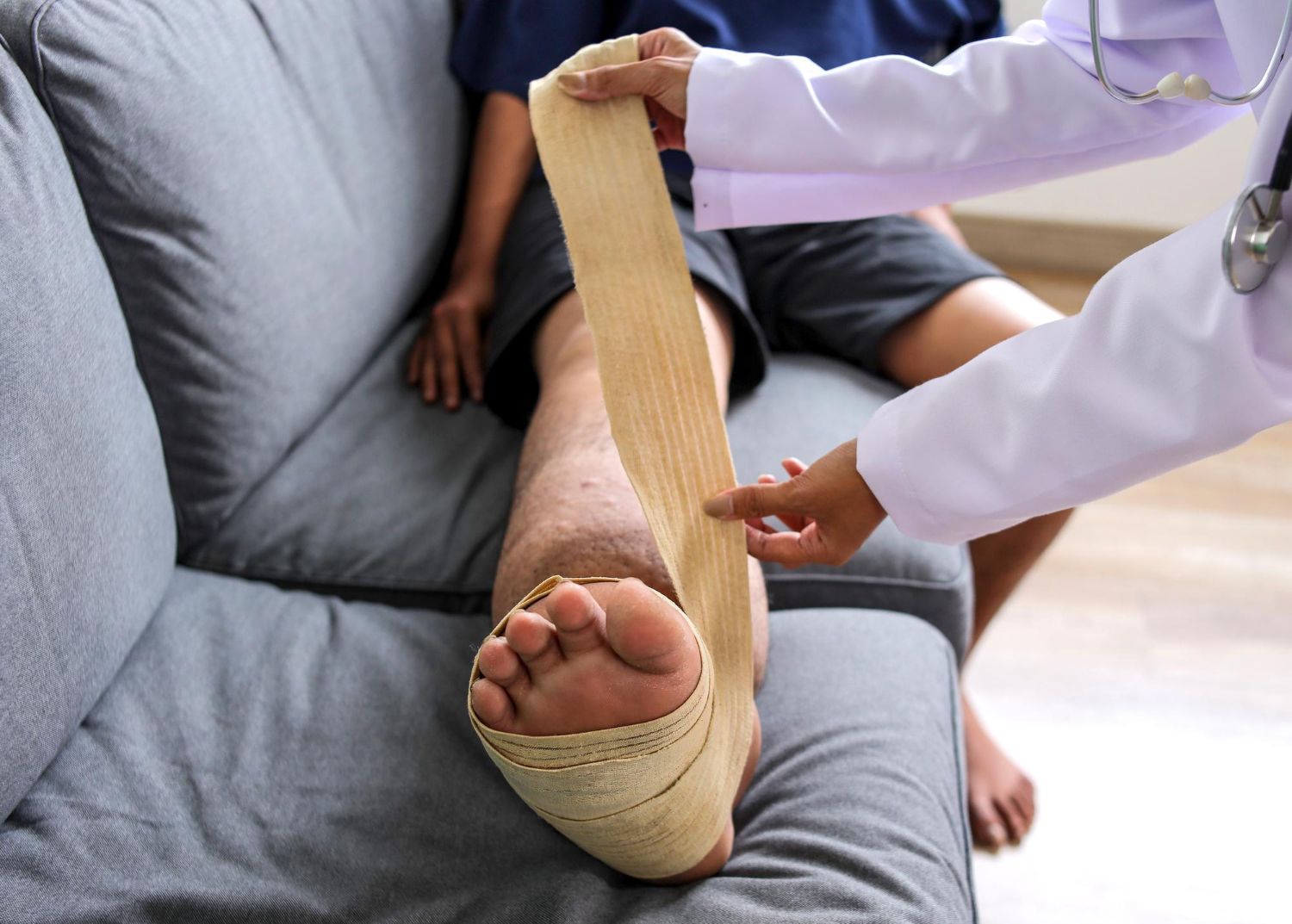
Transitioning from clinical wrapping to your custom garments requires careful attention to your skin and circulation.
- Skin Inspection: Check your limb thoroughly for any areas of redness or chafing as soon as you remove your clinical bandages.
- Garment Application: Don your prescribed compression garments immediately upon waking before gravity pulls fluid down into the limb.
- Moisture Control: Apply a low pH lotion every evening to prevent microscopic skin cracks that invite bacterial infections.
Daily Maintenance Habits For Lymphatic Flow
Your lymphatic system relies entirely on your daily actions to pump fluid upward toward your core.
- Graded Movement: Engage in gentle muscle pumping exercises like walking the local trails to mechanically squeeze the lymphatic vessels.
- Deep Breathing: Practice diaphragmatic breathing to create a vacuum effect in your chest that draws fluid up from your lower extremities.
- Posture Awareness: Avoid crossing your legs or sitting in cramped positions that crimp the natural pathways of your lymphatic system.
Common Mistakes That Undo Volume Reduction Results
Falling into bad habits quickly reverses the progress made during your intensive therapeutic phase.
- Inconsistent Compression: Skipping your garments for even a single weekend allows fibrotic fluid to rapidly reaccumulate in the tissues.
- Ignoring Diet: Consuming highly processed foods spikes systemic inflammation, which overwhelms your already compromised lymphatic collectors.
- Excessive Heat: Soaking in hot tubs or using heating pads dilates blood vessels, bringing more fluid into the area than your system can pump out.
How long does lymphedema volume reduction take to maintain?
Maintaining your results is a daily, lifelong process because the underlying mechanical damage to the lymphatic vessels is permanent. Decongestive therapy provides a reset for your limb size, but your daily habits dictate how long that reduction lasts.
Signs You Need Professional Reassessment
Recognizing when your home routine is failing prevents severe complications like cellulitis or increased tissue fibrosis.
- Garment Tightness: Notice if your garments suddenly feel painfully tight or leave deep indentations in your skin.
- Texture Changes: Contact your provider if the skin on your limb begins to feel hard, woody, or difficult to pinch.
- Unexpected Pain: Aching or heaviness that does not resolve with elevation indicates your current maintenance plan requires adjustment.
- Related Care: Discuss adjusting your routine if you are also managing a Parkinson's disease diagnosis that affects your mobility.
► The single most critical maintenance factor is replacing your compression garments every six months, as the elastic fibers degrade and stop providing therapeutic pressure.
Sustaining Your Fluid Management
Protecting your limb volume demands consistency and a thorough understanding of your bodily mechanics. By adhering strictly to your compression and skin care routines, you can live comfortably without the constant fear of swelling. Contact our clinical team immediately if you notice any changes in your tissue texture or garment fit.
Share This Blog