Evaluating Garment Needs Before Booking Lymphedema Prevention & Treatment
Adjuvant Physical Therapy LLC. • August 19, 2026
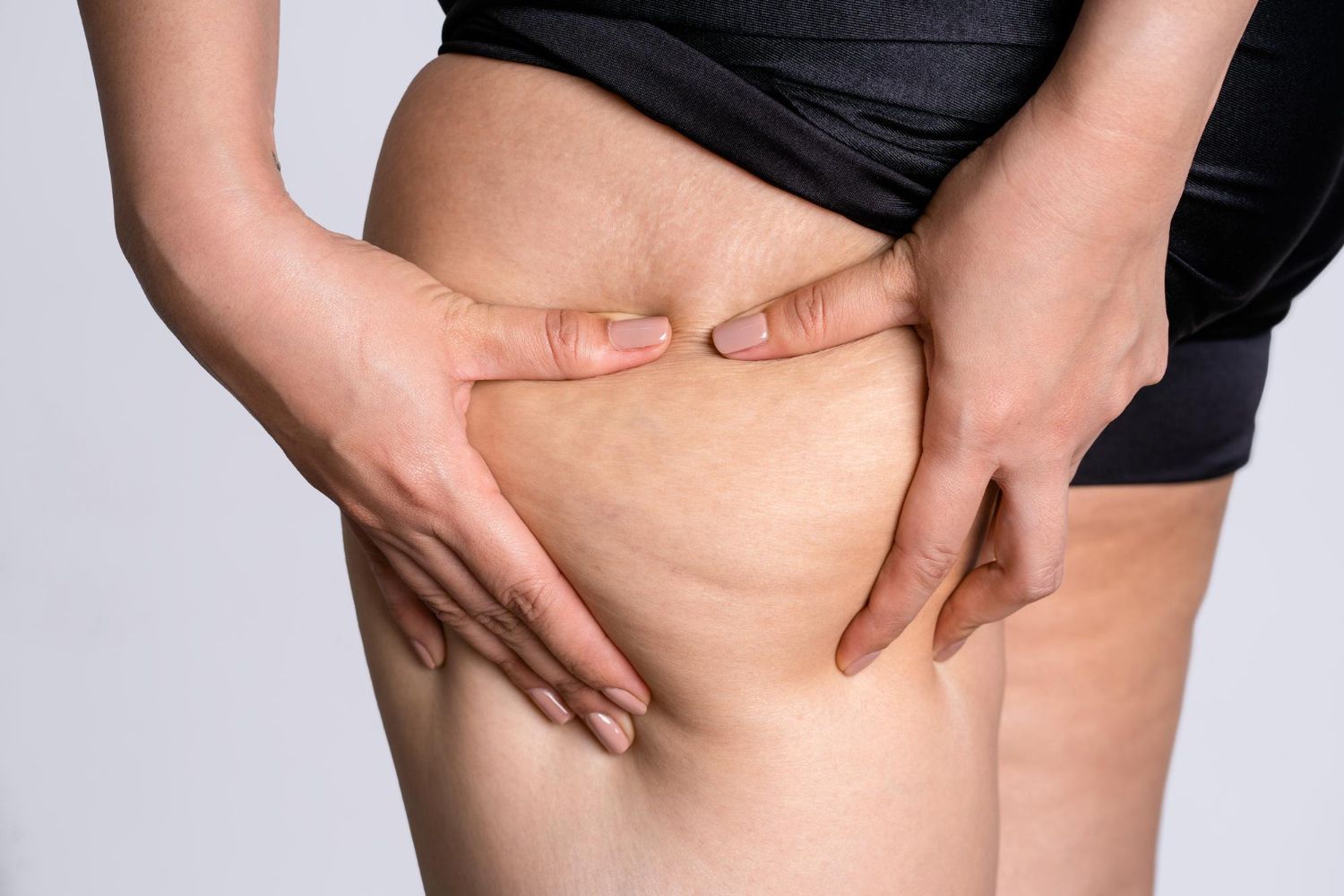
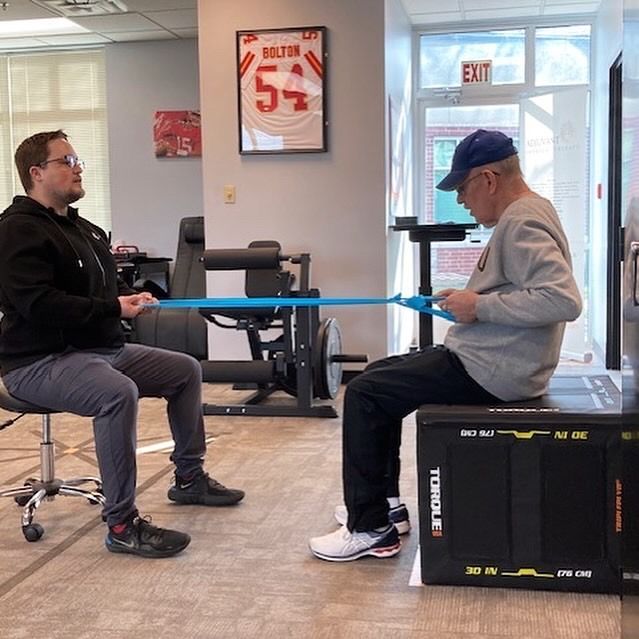
Managing chronic swelling requires a highly strategic approach to medical compression and targeted physical therapy. At Adjuvant Physical Therapy, we specialize in lymphedema prevention & treatment to help individuals maintain their tissue health and limb function. Many patients arrive at our clinic feeling confused about which compression garments they actually need for their specific condition. Choosing the wrong type of support can worsen your swelling and cause unnecessary discomfort during your daily routine.
A successful outcome depends on correctly matching the compression level to your unique biological needs. Before you commit to a management program, it is essential to understand how different garments interact with your lymphatic system. We want to equip you with the clinical knowledge required to make informed decisions about your ongoing care. Knowing what to evaluate beforehand ensures your treatment protocol is both effective and comfortable.
What You Need To Know:
- Understanding The Purpose Of Lymphedema Prevention & Treatment Garments
- Questions You Must Ask About Daily Wear
- Red Flags To Watch For When Evaluating Providers
- How do I know what size compression garment I need?
Understanding The Purpose Of Lymphedema Prevention & Treatment Garments
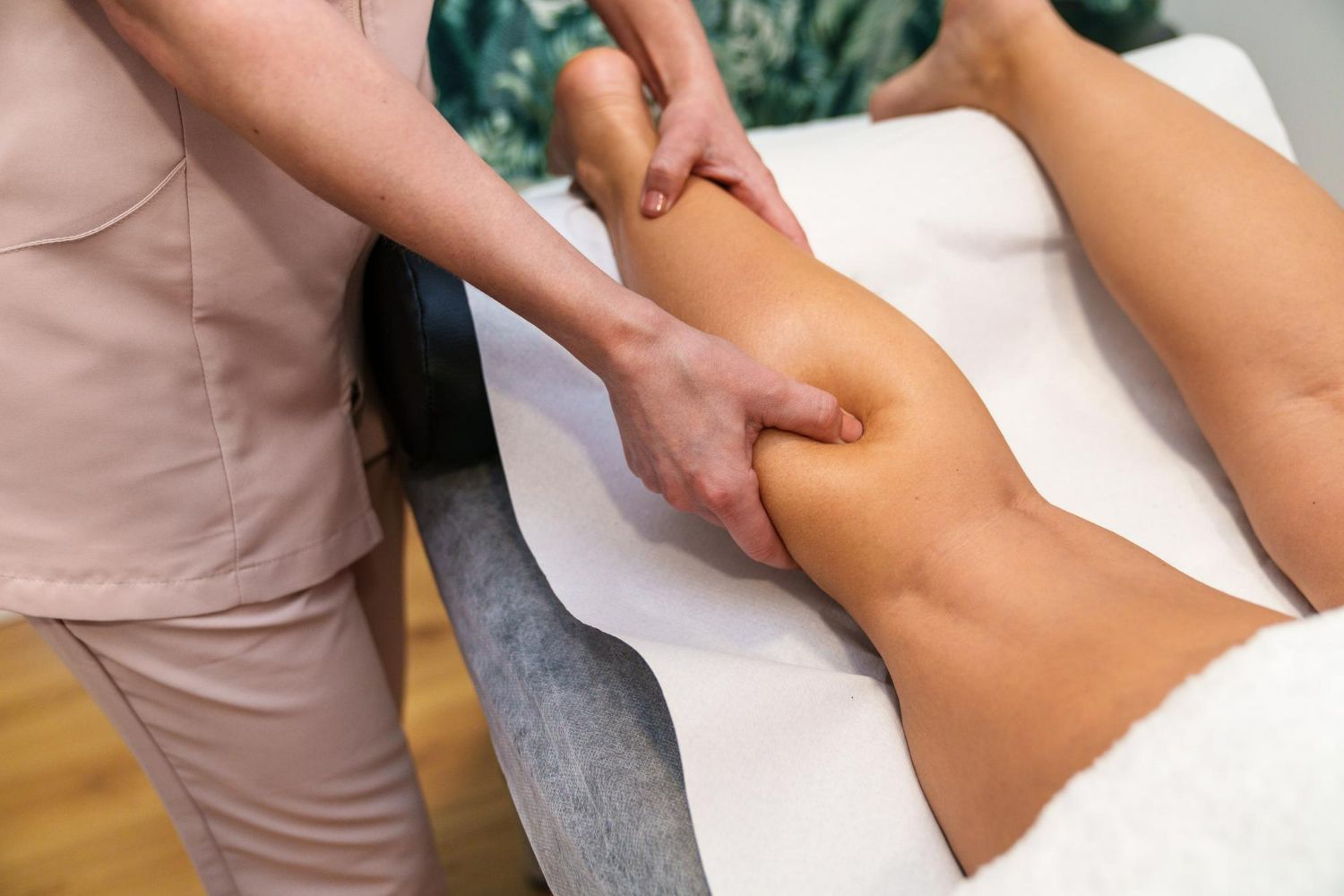
Compression therapy is not just about squeezing the limb tightly. Medical garments are engineered to provide gradient pressure that physically assists your lymphatic vessels in moving fluid back toward your core.
- Fluid Management: Consistent external pressure prevents lymph fluid from pooling in the distal extremities.
- Tissue Softening: Specialized garments apply targeted micro-massage to break down hardened fibrotic tissue over time.
- Injury Prevention: A properly fitted sleeve protects compromised skin from minor scrapes that could lead to severe infections.
Questions You Must Ask About Daily Wear
Before starting a clinical program, you need to understand the practical realities of managing your condition every day. Asking the right questions ensures you are mentally and physically prepared for the required lifestyle adjustments.
- Material Types: Ask if your specific swelling pattern requires a circular knit or a flat knit garment for maximum containment.
- Replacement Schedule: Inquire about how often the elastic fibers break down and when you will need to purchase new garments.
- Nighttime Protocols: Verify whether you need a different, softer compression system for sleeping versus daytime activity.
Red Flags To Watch For When Evaluating Providers
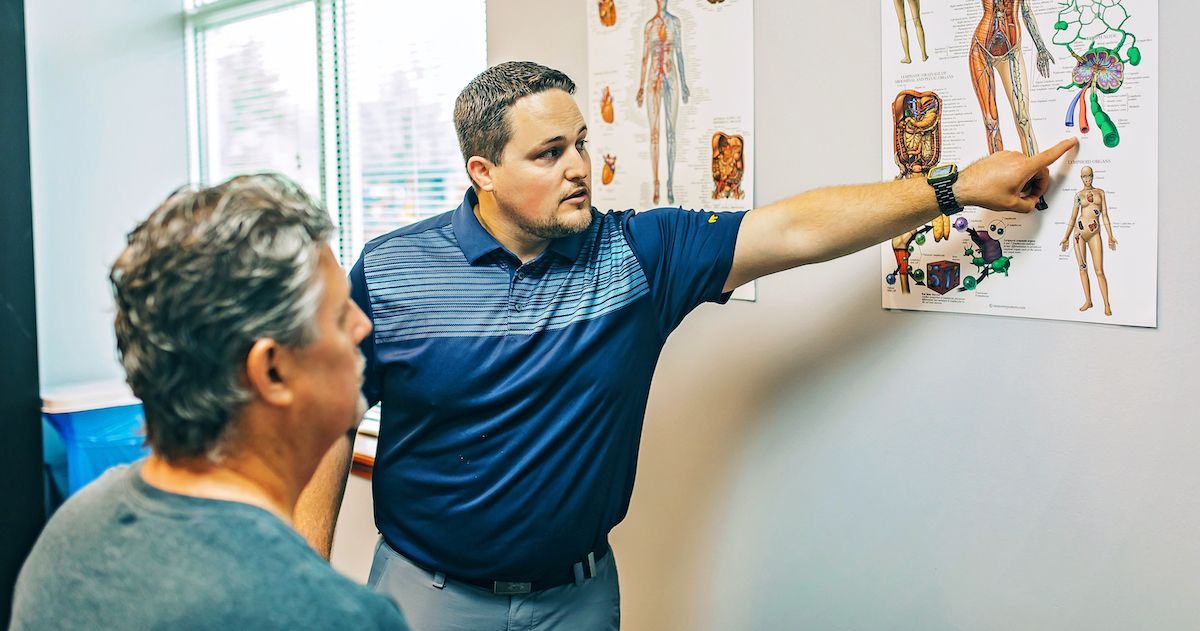
Lymphedema care is a highly specialized medical field that requires advanced certifications. When searching for a provider near Lee's Summit or anywhere around Independence, MO, you must be vigilant about their specific qualifications.
- Lack Of Certification: Avoid any clinic that does not have a Certified Lymphedema Therapist on staff to oversee your care.
- Skipping Measurements: Be highly cautious if a provider recommends an over the counter garment without taking precise anatomical measurements first.
- Ignoring Skin Health: Walk away from practitioners who focus solely on swelling while ignoring the critical importance of localized skin and wound care.
This is something clients notice firsthand.
►Client Experience: Kenneth Cope shared “Chase showed genuine care for my issues and applied treatments that were helpful.”
Kenneth Cope highlights how genuine care and effective treatments lead to outstanding outcomes.
How do I know what size compression garment I need?
You should never attempt to guess your garment size using online sizing charts. Proper sizing requires a certified therapist to measure your limb at multiple specific intervals while the swelling is at its absolute lowest point. We utilize precise clinical measurements to ensure the gradient pressure is distributed correctly from your wrist or ankle up to your torso. A garment that is too tight can act as a tourniquet and trap fluid, while one that is too loose provides zero therapeutic benefit. Our team also evaluates whether your condition requires concurrent oncology rehabilitation to address underlying surgical deficits.
Taking Control Of Your Lymphatic Health
Selecting the appropriate compression strategy is the foundation of a successful swelling management program. By asking critical questions and identifying unqualified providers, you protect your long term physical health. Reach out to our certified specialists today to schedule a detailed evaluation of your lymphatic system.
Share This Blog