5 Hidden Milestones During Your Post-Operative Rehabilitation Journey
Adjuvant Physical Therapy LLC. • August 11, 2026
Recovering from a major orthopedic surgery requires a structured approach to rebuilding your physical strength. At Adjuvant Physical Therapy, we specialize in post-operative rehabilitation that guides patients safely through the healing process. Many individuals focus entirely on the end goal of full recovery while missing the crucial micro-adaptations happening along the way. Recognizing these subtle signs of progress keeps you motivated and ensures your tissue is healing correctly.
The biological stages of tissue repair follow a specific timeline that cannot be rushed by excessive exercise. By understanding the clinical markers of recovery, you can better appreciate the work your body is doing behind the scenes. We want to highlight the hidden achievements that indicate your therapy is working exactly as intended. Knowing what to look for allows you to celebrate the small victories that lead to lasting joint health.
In This Article:
- Tip 1: Reaching Independent Joint Extension
- Tip 2: Normalizing Your Gait Mechanics
- Tip 3: Restoring Soft Tissue Flexibility
- Tip 4: Reducing Systemic Inflammation
- Tip 5: Transitioning To Unassisted Activities During Post-Operative Rehabilitation
- Frequently Asked Questions
Tip 1: Reaching Independent Joint Extension
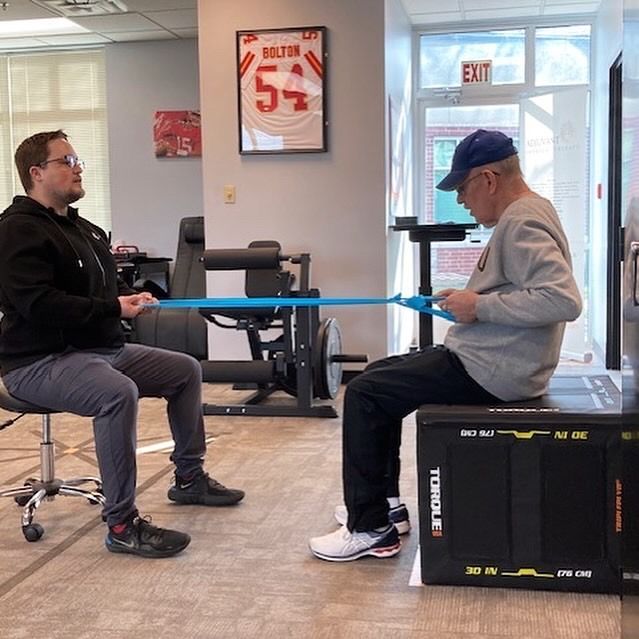
Achieving full extension in a surgically repaired joint is often more challenging than regaining flexion. This milestone indicates that the surrounding muscles are strong enough to support the joint against gravity without artificial bracing.
- Joint Mechanics: Regaining complete straightness prevents long-term limping and uneven wear on your healthy joints.
- Muscle Activation: Full extension proves that your quadriceps or supporting muscle groups are firing correctly.
- Scar Tissue: Reaching this goal means we have successfully prevented excessive scar tissue from limiting your mechanical range.
Tip 2: Normalizing Your Gait Mechanics
Walking without a noticeable limp is a massive clinical achievement that protects your spine and hips from compensatory pain. Our team closely monitors your stride length and foot placement to ensure your body is not subconsciously guarding the surgical site.
- Weight Distribution: Equal weight bearing signifies that your central nervous system trusts the repaired tissue.
- Stride Symmetry: Symmetrical steps indicate that your muscle strength is balancing out on both sides of your body.
- Fall Prevention: A normal gait drastically reduces your risk of stumbling when navigating uneven surfaces.
Tip 3: Restoring Soft Tissue Flexibility
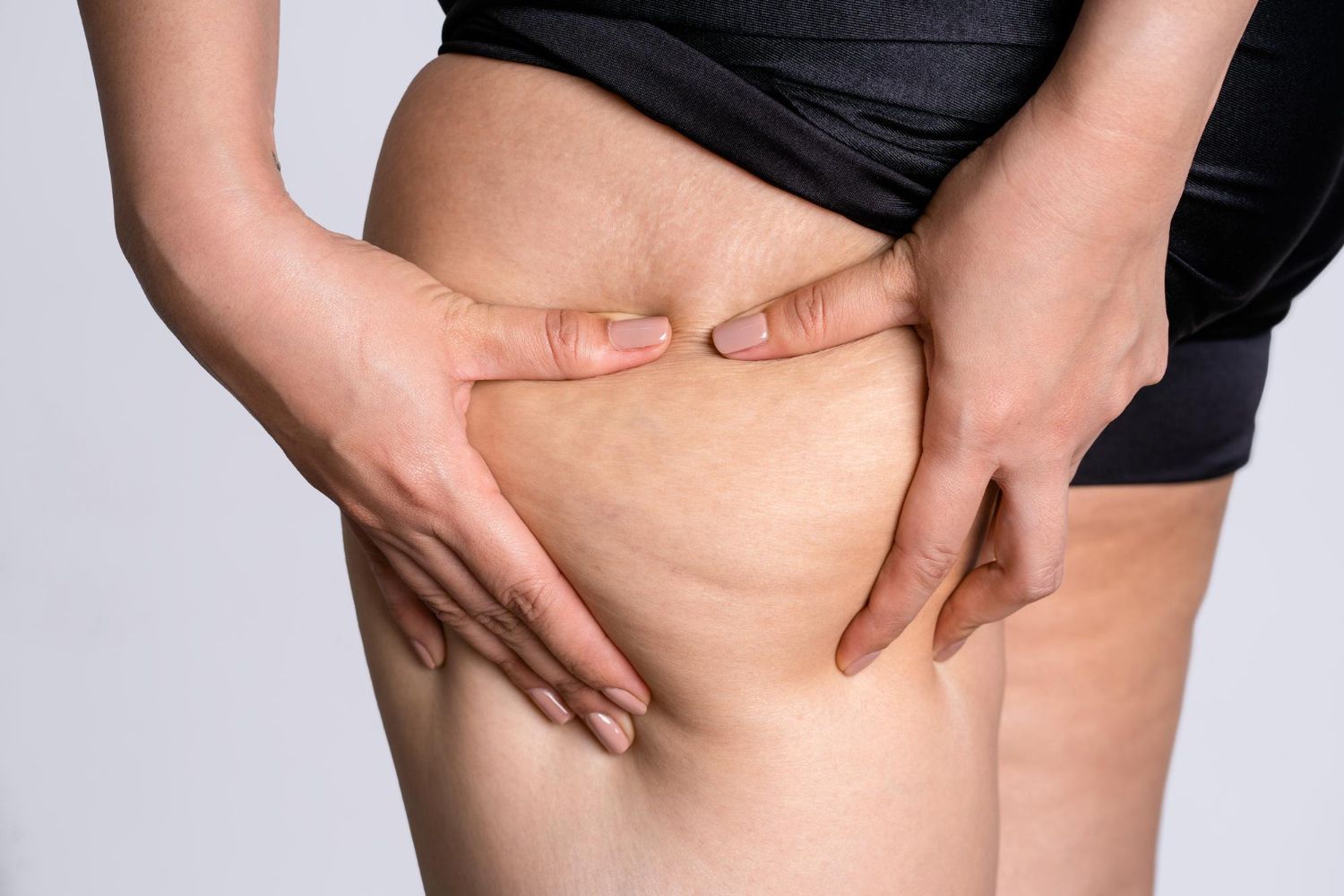
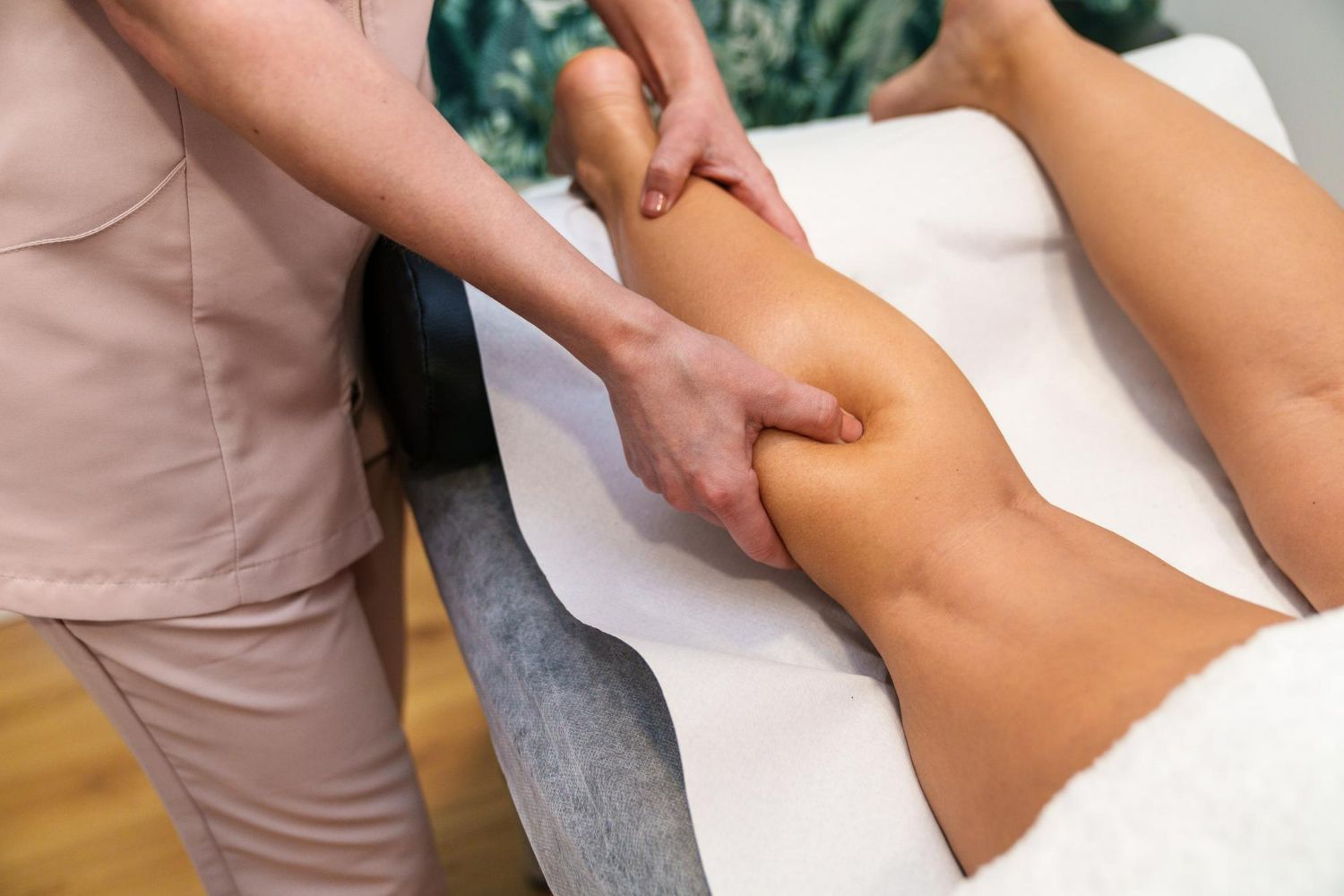
Surgical incisions create localized trauma that inherently tightens the surrounding fascia and skin barrier. When you notice that the skin around your incision moves freely without pulling, it means the deeper tissues are remodeling appropriately.
- Fascial Release: Pliable tissue allows for deeper muscle contractions without restrictive pain.
- Fluid Dynamics: Improved flexibility directly enhances local blood flow to the healing surgical site.
- Nerve Gliding: Free moving tissue prevents superficial nerves from becoming entrapped in stiff surgical scars.
It is a pattern the team at Adjuvant Physical Therapy hears regularly.
►Client Experience: Bobbie Goolsby shared “I have had two total knee replacements with a manipulation on both of my knees and Chase is absolutely the best ! Chase goes above and beyond to make sure you have knowledge to be able to recover”
Bobbie Goolsby highlights how clinical education is vital for understanding the complex steps of joint recovery.
Tip 4: Reducing Systemic Inflammation
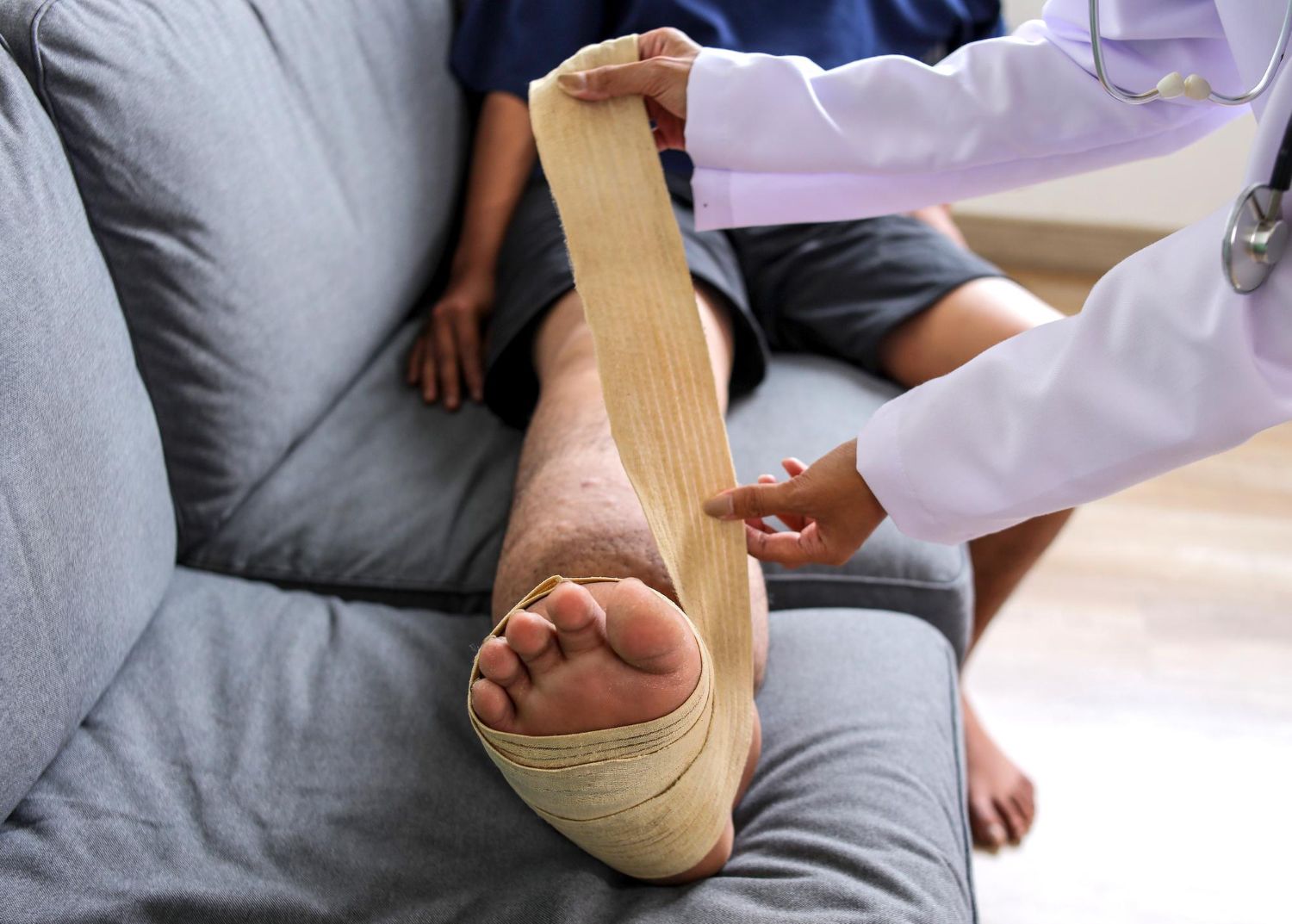
A visible decrease in chronic swelling means your lymphatic system is successfully clearing surgical debris. We actively monitor limb volume because sustained inflammation chemically inhibits muscle activation, and our specialized lymphedema prevention techniques can assist with severe cases.
- Cellular Healing: Reduced swelling creates a healthier environment for new cellular growth and tissue repair.
- Pain Reduction: Less internal pressure directly correlates with a decrease in sharp joint pain.
- Range Improvements: Clearing excess fluid physically creates more space within the joint capsule for movement.
Tip 5: Transitioning To Unassisted Activities During Post-Operative Rehabilitation
Moving away from walkers and canes is a psychological and physical milestone that marks a return to independence. This transition is carefully timed to ensure your bone density and muscle endurance can handle your full body weight safely.
- Core Stability: Walking unassisted proves that your core muscles are engaging to stabilize your lower extremities.
- Proprioception: Your body is successfully relearning where it is in space without relying on external support.
- Activity Tolerance: You can now safely participate in daily tasks around Independence, MO without risking structural failure.
Frequently Asked Questions
How soon after surgery should I start physical therapy?
The timeline for starting therapy depends heavily on your specific surgical procedure and your surgeons protocols. For many orthopedic surgeries, initiating gentle movement within the first few days prevents severe stiffness and promotes vital circulation. We coordinate directly with your surgical team to ensure your interventions begin at the exact right moment for optimal safety.
Why does my joint feel stiff first thing in the morning?
Overnight inactivity causes natural synovial fluid to thicken, which temporarily increases friction within the joint capsule. This morning stiffness is a normal physiological response during the first few months of recovery and typically resolves after ten minutes of light movement. Consistent hydration and gentle evening stretching can help minimize this daily discomfort.
Can I do too much exercise during my recovery?
Pushing your body beyond its current tissue capacity can absolutely cause setbacks and reignite inflammatory pathways. Your therapy program is dosed like a prescription, providing the exact amount of stress needed to stimulate growth without causing micro-tears. Sticking to your customized home program prevents overuse injuries and ensures steady, predictable progress.
Embracing Your Recovery Timeline
Every small physical improvement builds the foundation for your eventual return to full activity. By recognizing these hidden clinical milestones, you stay engaged and positive throughout your healing journey. Contact our clinic today to evaluate your surgical recovery and establish a safe path forward.
Share This Blog