Parkinson’s Disease Therapy Results: What Progress Looks Like at Each Stage
Adjuvant Physical Therapy LLC. • August 5, 2026
Parkinson's disease presents unique physical challenges that require specialized medical attention to properly manage. At Adjuvant Physical Therapy, we focus on providing targeted Parkinson's disease therapy to help patients maintain their independence and functional mobility. Many individuals feel overwhelmed when starting their clinical journey because neurological conditions do not heal in a straight line. Establishing a clear understanding of the recovery process helps patients stay motivated and focused on their long-term health goals.
The path to improved motor control involves specific biological adaptations that take time to develop. Proper clinical intervention focuses on retraining the brain and body to communicate effectively despite neurological deficits. When patients know exactly what progress looks like, they approach their therapy sessions with confidence rather than anxiety. Our goal is to outline the realistic milestones you will experience as you work toward a more stable and active lifestyle.
What We Cover:
- Understanding Neurological Adaptation
- Overestimating Instant Parkinson's Disease Therapy Results
- How Daily Habits Impact Your Mobility Timeline
- How long does it take for physical therapy to help Parkinsons?
Understanding Neurological Adaptation
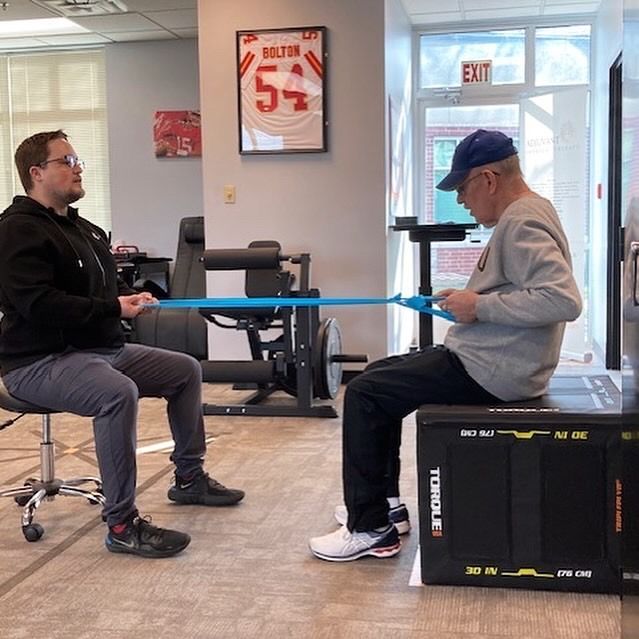
The initial stage of treatment focuses heavily on evaluating your baseline movement patterns and identifying specific deficits. Neurological adaptation is a gradual process where your nervous system learns to bypass damaged pathways to execute movements. You might not see massive physical changes during the first few sessions, but your brain is actively mapping new strategies for balance and coordination. Consistency in performing your prescribed exercises lays the groundwork for all future improvements.
→ From a professional standpoint: Your nervous system requires repetitive and deliberate practice to build new neural connections that support sustained mobility.
Overestimating Instant Parkinson's Disease Therapy Results
A frequent misunderstanding among new patients is expecting an immediate reversal of muscle rigidity and tremors. Neurological rehabilitation is designed to manage symptoms and optimize function rather than provide an overnight cure. If you anticipate sudden perfection in your walking stride after one week, you will likely feel discouraged. We emphasize setting realistic goals that focus on marginal gains, such as a slight increase in walking speed or feeling safer when standing up from a chair.
This is something clients notice firsthand.
►Client Experience: Joanne M shared “Fantastic experience. Chase worked with me through the ups and downs to a successful rehab and didn't give up. Even when I wanted to.”
Joanne M understands that pushing through the challenging phases of neurological rehabilitation is essential for long-term success.
How Daily Habits Impact Your Mobility Timeline
Your activities outside the clinic drastically influence how quickly you reach your clinical milestones. Patients residing near the historic Independence Square in Independence, MO often find that incorporating short daily walks accelerates their balance improvements. Adequate sleep and proper hydration also provide your nervous system with the essential resources needed to repair and adapt.
→ A quick tip to remember: The therapeutic exercises we practice in the clinic must become part of your daily routine to effectively slow disease progression.
How long does it take for physical therapy to help Parkinsons?
The timeline for noticing functional improvements varies based on the severity of your symptoms and your dedication to the program. Most patients begin to feel a difference in their balance and stiffness within four to six weeks of consistent therapy. It is crucial to view this process as ongoing management, where reaching a milestone means you have successfully established a new baseline for your daily activities. Our team also integrates elements of vestibular disorders care when dizziness contributes to your mobility challenges.
Securing Your Physical Independence
Understanding the true timeline of neurological adaptation is the most vital step in your healing process. Recognizing these realistic milestones allows you to appreciate the hard work your body is doing to maintain its strength. Contact our clinic today to schedule your initial evaluation and begin a structured path toward better motor control.
Share This Blog